Understanding gambling addiction Recognizing the signs and seeking help
What is Gambling Addiction?
Gambling addiction, also known as compulsive gambling, is a behavioral addiction characterized by an uncontrollable urge to gamble despite the negative consequences. Individuals who suffer from this condition may experience an overwhelming need to participate in gambling activities, which can lead to financial ruin, strained relationships, and emotional distress. This addiction can manifest in various forms, including betting on sports, playing poker, or engaging in online gaming, often blurring the lines between entertainment and compulsion. To explore your options, consider looking into resources offering free spins no deposit south africa.
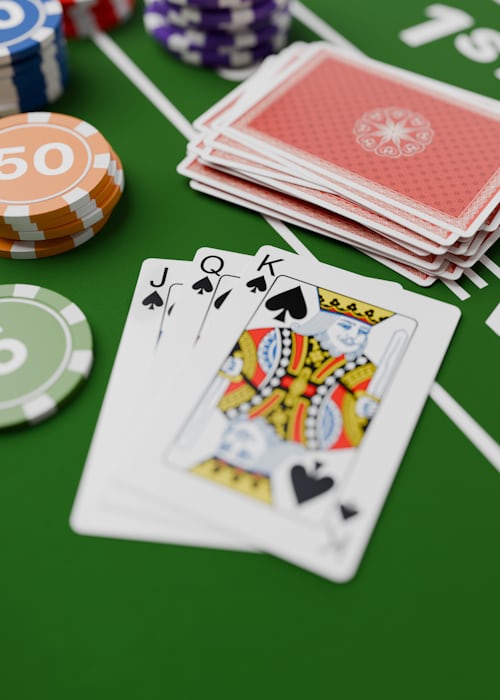
The psychology behind gambling addiction is complex. It often involves an interplay of thrill-seeking behavior, cognitive distortions, and emotional distress. Many individuals are drawn to gambling due to the excitement it offers, with the potential for significant financial gain. However, the temporary highs associated with winning can lead to chasing losses, creating a vicious cycle that perpetuates the addiction. Understanding these psychological drivers is crucial for both individuals and their families in identifying and addressing the issue.
Recognizing gambling addiction requires a keen awareness of its signs and symptoms. These may include preoccupation with gambling, a need to gamble with increasing amounts of money, unsuccessful attempts to cut back, and using gambling as a way to escape from life’s stresses. As the addiction deepens, the individual may begin to neglect responsibilities and relationships, further entrenching their compulsive behaviors. Awareness of these signs is the first step toward seeking the necessary help.
Signs and Symptoms of Gambling Addiction
Identifying the signs of gambling addiction is vital for early intervention. One common sign is a preoccupation with gambling, where the individual spends excessive amounts of time thinking about past gambling experiences or planning future bets. This preoccupation can take over daily life, impacting work performance, relationships, and overall well-being. Another critical symptom is the need to gamble with increasing amounts of money to achieve the desired excitement, which can lead to significant financial loss.
Another telling symptom is the tendency to gamble to escape negative emotions or stress. Individuals may use gambling as a coping mechanism, believing it offers a brief escape from their problems. However, this strategy often leads to greater emotional turmoil as losses accumulate and consequences spiral out of control. Those affected may also exhibit mood swings, irritability, or anxiety when attempting to cut back on their gambling, showcasing the powerful grip of the addiction.
Family members and friends often notice changes in behavior that may indicate a gambling addiction. These can include secretive behaviors, lying about gambling activities, and a sudden decline in financial stability. If someone you care about displays these signs, it’s essential to approach the situation with compassion and understanding. Open communication can be a vital tool in addressing the addiction before it leads to more severe consequences.
The Impact of Gambling Addiction
The effects of gambling addiction extend beyond the individual, affecting families, friends, and communities. Financial consequences are often the most immediate and devastating. Individuals may accumulate substantial debt, which can lead to bankruptcy or other financial crises. This financial strain can cause severe stress in relationships, often resulting in isolation and conflict within families. As trust erodes, loved ones may feel helpless or betrayed, further complicating the recovery process.
Emotionally, gambling addiction can lead to depression, anxiety, and a myriad of other mental health issues. The cycle of winning and losing can create a rollercoaster of emotions that can be exhausting and damaging. The despair associated with financial losses can lead to feelings of worthlessness, shame, and hopelessness, making it difficult for individuals to seek help. Recognizing these mental health challenges is crucial for those trying to support someone struggling with this addiction.
Moreover, gambling addiction can have broader social implications. Communities may experience increased crime rates associated with gambling-related debts, as individuals may resort to illegal activities to fund their addiction. These social challenges highlight the need for community awareness and resources to support recovery. Comprehensive understanding and empathy within a community can foster an environment that encourages individuals to seek help without the fear of stigma.
Seeking Help for Gambling Addiction
Recognizing the need for help is a crucial step in overcoming gambling addiction. Many individuals may feel ashamed or embarrassed, preventing them from seeking the support they need. However, reaching out for help can lead to recovery and the rebuilding of one’s life. Various treatment options are available, including counseling, support groups, and even inpatient rehabilitation programs tailored for those struggling with gambling issues.
Cognitive Behavioral Therapy (CBT) is a common treatment method, helping individuals understand the thoughts and behaviors that contribute to their addiction. By addressing these underlying issues, individuals can develop healthier coping strategies and learn to manage their impulses. Support groups such as Gamblers Anonymous provide a supportive community where individuals can share their experiences and learn from others who have faced similar challenges.
Additionally, family therapy can play a vital role in recovery. It allows family members to understand the addiction and learn how to support their loved one effectively. Communication, trust-building, and setting boundaries are essential components of this therapeutic approach. By working together, families can foster a supportive environment that encourages recovery and healing.

Your Path to Recovery Starts Here
Understanding gambling addiction is the first step towards recovery. If you or someone you know is struggling with this issue, it’s essential to recognize the signs and seek help promptly. Resources are available to provide the necessary support and guidance for those in need. With the right approach and support network, recovery is not only possible but achievable.
On our website, we are dedicated to providing information and resources to assist individuals affected by gambling addiction. We prioritize the dissemination of knowledge to empower individuals and their families to take the necessary steps toward recovery. By fostering a supportive online community, we aim to create a safe space for those seeking help to share their experiences and find solace in knowing they are not alone.