The psychology behind high-stakes gambling What drives our risk-taking behavior
The Allure of High-Stakes Gambling
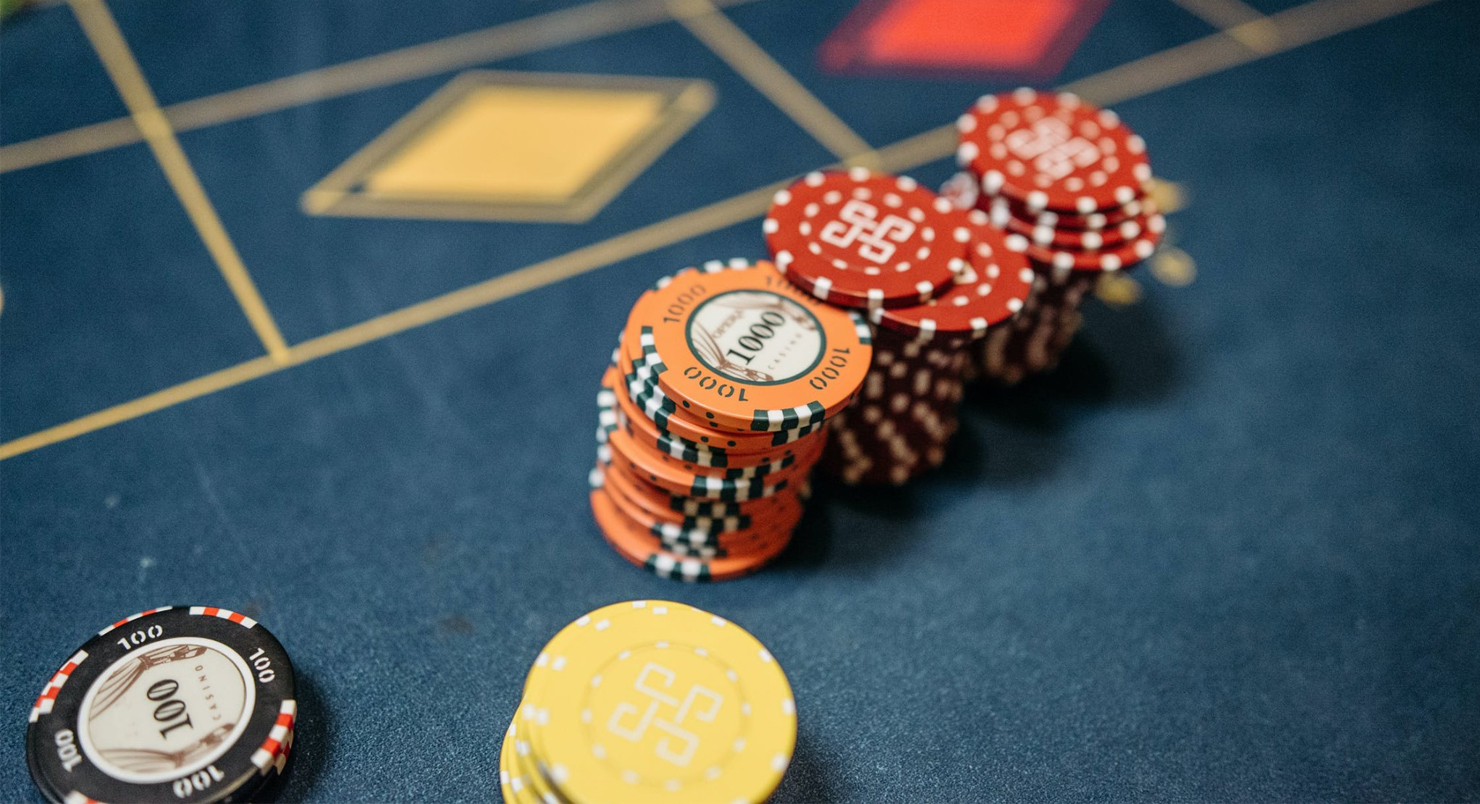
High-stakes gambling captivates individuals with its promise of significant rewards and the thrill of risk. This allure often stems from the desire for immediate gratification and the adrenaline rush that accompanies the potential for financial gain. Many players find themselves drawn to the excitement of placing large bets, which creates a heightened emotional state that can be addictive. This psychological phenomenon often overrides rational thought, leading players to chase losses or continue gambling despite negative outcomes. As players explore choices, they might find options like gokong-aus.com enriching their experience.

The environment in which high-stakes gambling occurs also plays a crucial role in its appeal. Casinos are designed to be immersive, combining vibrant colors, enticing sounds, and captivating visuals that stimulate the senses. This sensory overload can make it difficult for players to maintain control over their impulses, as the atmosphere fosters a sense of euphoria. Consequently, the psychological effects of the environment contribute to the thrill of gambling, encouraging individuals to take more risks than they typically would in their daily lives.
Moreover, social influences significantly affect a person’s decision to engage in high-stakes gambling. Peer pressure, social status, and the desire for acceptance can all drive individuals to participate in high-stakes games. Players may want to impress their peers or feel a sense of belonging within a gambling community. This social aspect of gambling creates a unique blend of excitement and competition, making it even more enticing for those who thrive on risk-taking behavior.
The Role of Cognitive Biases
Cognitive biases play a significant role in shaping the decision-making processes of high-stakes gamblers. One prevalent bias is the «illusion of control,» where individuals believe they can influence random outcomes, such as in games of chance. Gamblers often feel that their skills or strategies can impact results, leading them to take increasingly higher risks. This overconfidence can result in significant financial losses as players chase the illusion that they can outsmart the game.
Another common cognitive bias is the «gambler’s fallacy,» which refers to the belief that past events can influence future outcomes in random situations. For example, if a player experiences several losses in a row, they may feel that a win is «due» and continue to gamble in the hope of recouping their losses. This faulty reasoning can perpetuate a cycle of risk-taking behavior and lead to substantial debt, as individuals fail to recognize the random nature of gambling.
Additionally, the «near-miss effect» can also encourage high-stakes gambling. When players come close to winning—such as hitting two out of three jackpot symbols—they may experience a surge of motivation to continue playing. This near-miss sensation can elicit feelings of excitement, which often leads to further gambling, despite the reality of losses. Such cognitive biases contribute to a player’s rationale, making it difficult to break free from the cycle of high-stakes gambling.
Emotional Regulation and Gambling
Many individuals turn to high-stakes gambling as a means of emotional regulation, seeking to escape from stress, anxiety, or personal problems. The thrill of gambling can serve as a temporary distraction from life’s challenges, providing players with an exhilarating rush that numbs negative feelings. However, this coping mechanism can quickly spiral into a detrimental cycle, where the pursuit of gambling becomes a primary way to deal with emotional distress rather than addressing underlying issues.
Research indicates that those with certain personality traits—such as high levels of impulsivity or a propensity for sensation-seeking—may be more susceptible to using gambling as a form of emotional relief. These individuals often engage in risk-taking behavior as a means of managing their emotions, leading to an increased likelihood of participating in high-stakes gambling. The emotional highs and lows associated with gambling can create a rollercoaster of feelings, intensifying the need for escapism.
Furthermore, the excitement surrounding high-stakes gambling can lead to a skewed perception of reality. Players may idealize their experiences, focusing solely on the thrilling moments while disregarding the inevitable losses. This selective memory can perpetuate the cycle of gambling, as individuals become increasingly reliant on the emotional highs derived from the game. Understanding the psychological need for emotional regulation can shed light on why some individuals gravitate toward high-stakes gambling as a coping mechanism.
The Impact of Addiction and Risk-Taking Behavior
Addiction is a complex aspect of high-stakes gambling that intertwines with risk-taking behavior. The National Council on Problem Gambling notes that approximately 1% of the adult population in the U.S. meets the criteria for gambling addiction. This addiction is often fueled by neurobiological factors, where the brain’s reward system becomes overstimulated by the thrill and potential rewards of gambling. As a result, players may develop a compulsive need to gamble, leading to escalating stakes and higher risks.
The psychological effects of addiction can significantly impair decision-making capabilities. Individuals struggling with gambling addiction often exhibit a diminished ability to assess risks realistically, leading them to make poor financial choices and engage in reckless gambling behavior. They may prioritize the pursuit of gambling over essential life responsibilities, creating a destructive cycle that is challenging to break. Treatment and recovery require comprehensive interventions to address the psychological and emotional aspects of gambling addiction.
Moreover, social stigma surrounding gambling addiction often inhibits individuals from seeking help. This stigma can compound the emotional turmoil faced by those struggling with addiction, leading to feelings of shame and isolation. As a result, many individuals may remain trapped in their high-stakes gambling behavior, unable to break free from the cycle due to the psychological barriers they encounter. Understanding the impact of addiction is crucial for fostering a healthier approach to gambling.
Exploring Responsible Gaming with GoKong
GoKong, a modern online casino designed for Australian players, embodies a commitment to responsible gaming and player safety. With advanced encryption technology and 24/7 customer support, GoKong prioritizes a secure and enjoyable gaming environment. The platform offers a diverse range of games, from online slots to classic table games, ensuring players can find entertainment while remaining mindful of their gambling habits.
GoKong also actively promotes responsible gaming initiatives, providing resources and tools to help players manage their gambling behavior. By emphasizing the importance of setting limits and recognizing the signs of problem gambling, GoKong aims to create a supportive community for players aged 18 and older. The casino’s generous welcome bonus and promotions offer an exciting start while encouraging a balanced approach to gaming.
Ultimately, GoKong seeks to enhance the gaming experience for players, blending excitement with a commitment to responsibility. By fostering an environment that prioritizes player safety and enjoyment, GoKong exemplifies how online casinos can promote healthy gambling behaviors while still delivering the thrills associated with high-stakes gambling.